Support From a Trauma Therapist
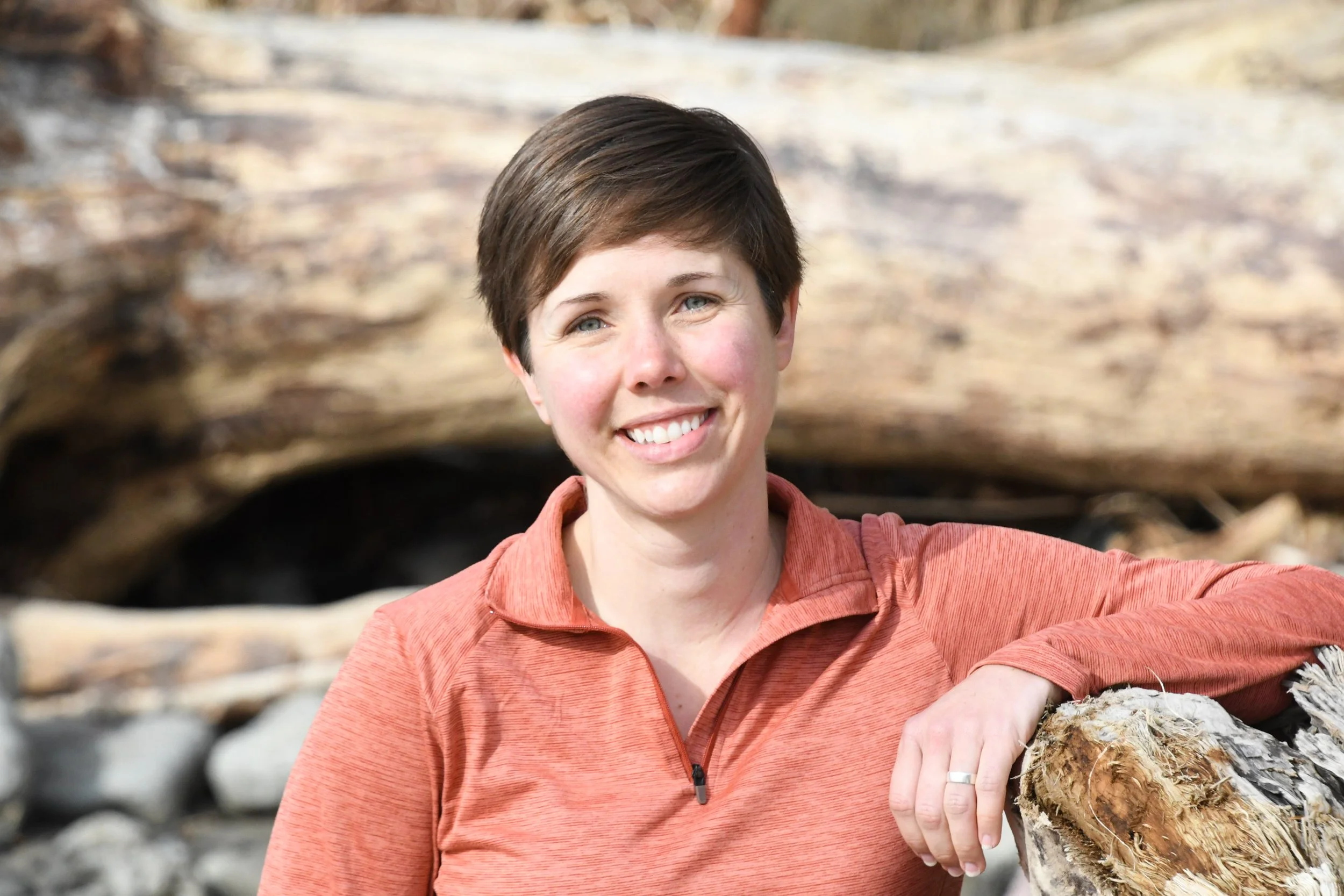
Chelsea Moyer, LMFT
Do you know that you are safe, good enough, and capable, but don’t really feel that way?
Are you wondering why your mind can’t “get over” something?
Are your reactions getting in the way of who you want to be?

These could be signs that something is stuck in your brain that you can’t only “think” or “talk” your way through. This is where a holistic approach to therapy comes in.
Through EMDR therapy, I help trauma survivors’ brains process what is stuck so that natural healing can resume.
Clients arrive to therapy struggling with:
Trouble balancing emotions like sadness, anger, or worry
Chronic self-doubt or shame, including self-destructive urges
Using alcohol, substances, food, work, or caretaking to avoid feelings
Being stuck in “survival mode,” always on guard, overthinking, or expecting the worst
Finding a sense of self, meaning to life, or hope for the future
Dissociation- feeling disconnected, foggy, or emotionally numb
Related physiological problems, such as sleep, concentration, or health issues
Relationship difficulties (mistrust or intimacy problems, feeling overly dependent or voiceless, people-pleasing, trouble setting boundaries, isolating, etc)
Without integration or release, traumatic stress symptoms like these can develop as a way for us to get by, but ultimately get in our way. And I believe: being a hurt person is not the same as being a bad person.

“Treat every symptom as having a purpose, not as a problem. There’s intelligence in any symptom.”
- Pat Ogden
My Specialties
I specialize in helping adults heal from all forms of trauma, including:
Childhood trauma
Sexual trauma
Religious trauma
Medical and birth trauma
Relationship trauma
“Your body is a self-healing genius.”
- Donna Eden

Self-tapping during EMDR
Trauma Therapy Techniques I Use
To address the full impact of unresolved trauma, I integrate “top-down” and “bottom-up” approaches:
1) reworking beliefs, meanings, and stories that have circled in your mind, and
2) harnessing the innate healing powers of your body, to integrate or release stored stress
My approach uses a blend of evidence-based practices including the following:
-
EMDR is a structured intervention that helps you process distressing memories and experiences so they may feel less overwhelming in the present. During treatment, you focus briefly on aspects of a difficult memory while engaging in guided bilateral stimulation, such as eye movements or alternating tapping. EMDR also helps you build tools to regulate your nervous system, emotions, and mood, to support safe and efficient processing.
-
Parts work helps you connect with your “Core Self,” which remains full of compassion, calm, and courage no matter what you have been through. From this place, you can come to understand and relieve the different protective or wounded “parts” of yourself for a greater sense of inner knowing and trust.
-
Somatic therapy uses body-focused practices aimed at understanding and reshaping how your nervous system, brain, muscles, and hormones respond to the world.
-
As an optional support with no skill-required, expressive arts therapy offers creative ways of both containing our big emotions and experiences, and helping us express them in ways that can give us a new perspective beyond words. Arts practices like poem reflection, guided journaling, drawing, listening to a meaningful song, sharing photos, or using images/metaphors can help you slow down and deeply explore in your heart what may be hard to say out loud.
-
Mindfulness and compassion-focused practices strengthen your capacity to accept the present moment, replace self-judgment, and identify how to give yourself what you need.
Results From
Trauma Therapy With Me

After therapy, my clients…
Often say they feel "lighter"
Come to believe more fully: "I did the best I could, I am safe, I am good enough as I am.”
Are less burdened by the past so they can feel more enjoyment in the present and find new ideas for the future
Report quieter minds and renewed ability to relax
Act with more trust and confidence in their relationships
Have workable tools to calm their bodies and brains
Feel more agency in their relationship with alcohol, substances, food, work, etc.
Accept themselves more, remembering their innate worth and belonging
As you feel better inside, your relationships with others and the world change too.

"People who experience post-traumatic growth don't just return to baseline; they discover new possibilities, deeper relationships, and a greater appreciation for life."— Dr. Richard Tedeschi
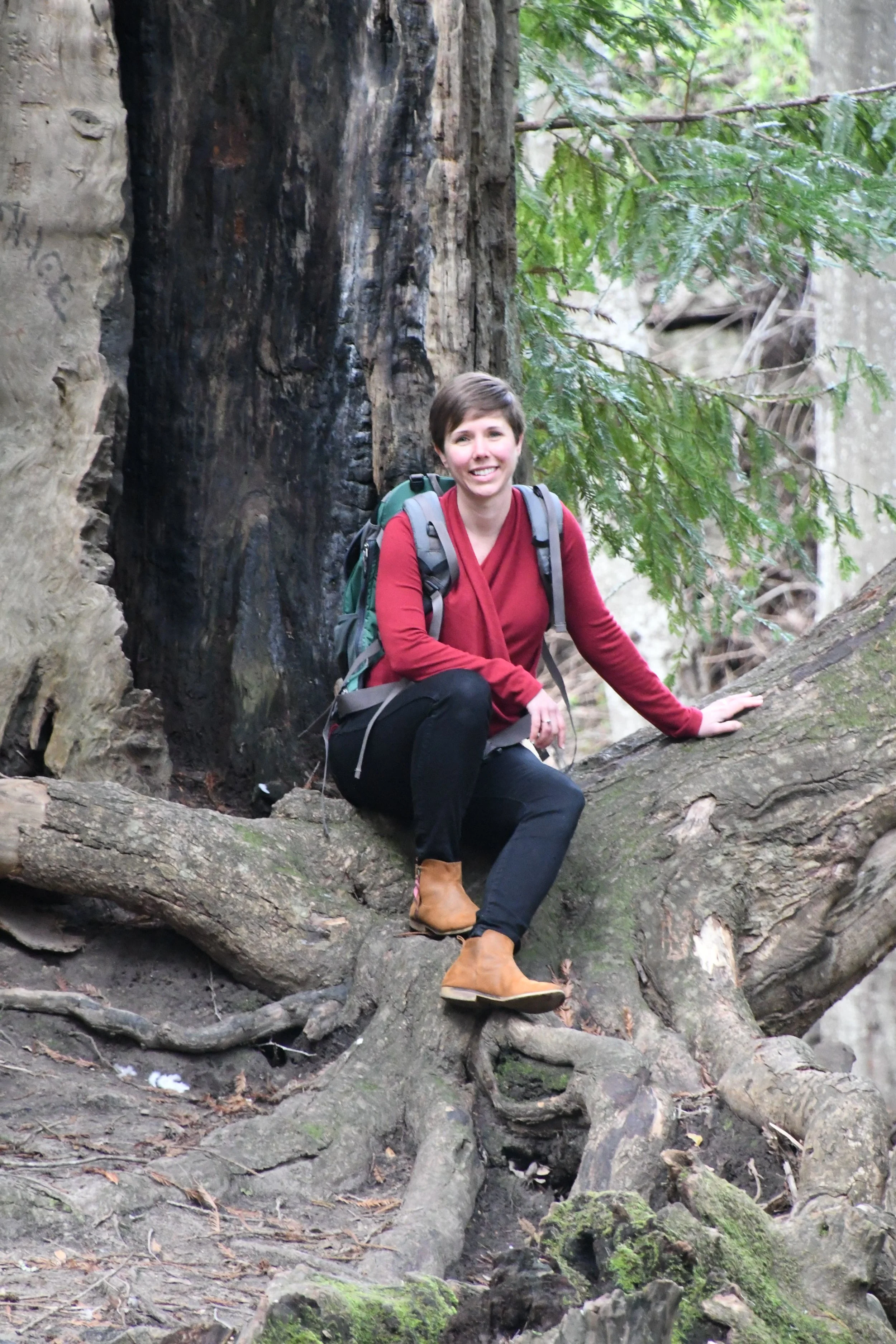
About Chelsea Moyer, LMFT
I’m Chelsea, a licensed therapist who cares about promoting peace in our world, starting within ourselves. For 11 years, I’ve worked with people in many settings to resolve the impacts of painful events and create a life they want to live.
My practice now focuses on adults recovering from trauma, grief, and life transitions- especially LGBTQ and neurodivergent people, folks in their 20s-30s, and parents. I offer a truly holistic approach that brings creativity, our relationship with nature, and the body’s restorative powers into healing.
Outside of therapy, you’ll find me playing make-believe with my kids, enjoying a girl’s night of “Bunco,” or trying to keep my little dog from attacking everyone. We are all connected in this journey. I am curious to hear your stories, what matters most to you, and how you'd like to grow.
What makes me a trauma specialist?
My credentials include:
Professional experience: For 11 years I have partnered with a diverse set of people across the lifespan to recover from childhood physical and sexual abuse, emotional neglect, relationship violence, identity oppression, traumatic loss, family dysfunction, medical trauma, religious trauma, and more.
Advanced training highlights: I am a trained clinician in Resilience Focused EMDR Therapy. I have also trained in Somatic Experiencing, Internal Family Systems-informed therapy, Trauma-Focused and Mindfulness-Based Cognitive Behavioral Therapy, and Expressive Arts Therapy and Trauma.
Ongoing consultation: I receive regular feedback from an EMDRIA Certified Therapist and Approved Consultant.
Lived experience: My own recovery from trauma, grief, and oppression, and experience as an EMDR and IFS client, inform my work as well.
Therapy FAQs
-
We decide together what approaches best fits you. I assess your suitability and provide information on how EMDR could be applied to you. You choose whether to try it out and remain in control the whole time (it’s not hypnotherapy).
-
No, therapy with me is not about reliving the past. You don’t have to describe everything to heal. We work together to identify what feels safe to explore and adjust exposure, timing, and coping. This balances processing in a way that is respectful of your (inner system).
-
Working through painful experiences can sometimes bring up strong emotions, memories, or physical sensations during or after a session. Often, this is a release of what is already stored in your body. We will work together to assess your readiness, build resources to help you feel more grounded, and move at a pace that respects your needs.

Get Started in 4 Steps
-
Reach out to schedule a free 15 minute phone consultation.
Text or call (831) 222-0744, or email rootsofresiliencetherapy@gmail.com.
-
I offer every new client a free 15-minute phone consultation. I can share more about my approaches and answer any questions. It’s your chance to see if we could be a good fit.
-
We decide when to schedule our first session. Before meeting, I provide simple steps to complete intake forms, verify insurance coverage, and set up billing and scheduling using a secure online platform.
In our first session, we can focus on a specific issue or gather an in-depth picture of what brings you to therapy.
-
Whether we meet briefly or long-term, online or in-person, I tailor to your unique strengths and concerns. Clients often start out meeting weekly, and transition to biweekly if/when they feel ready.